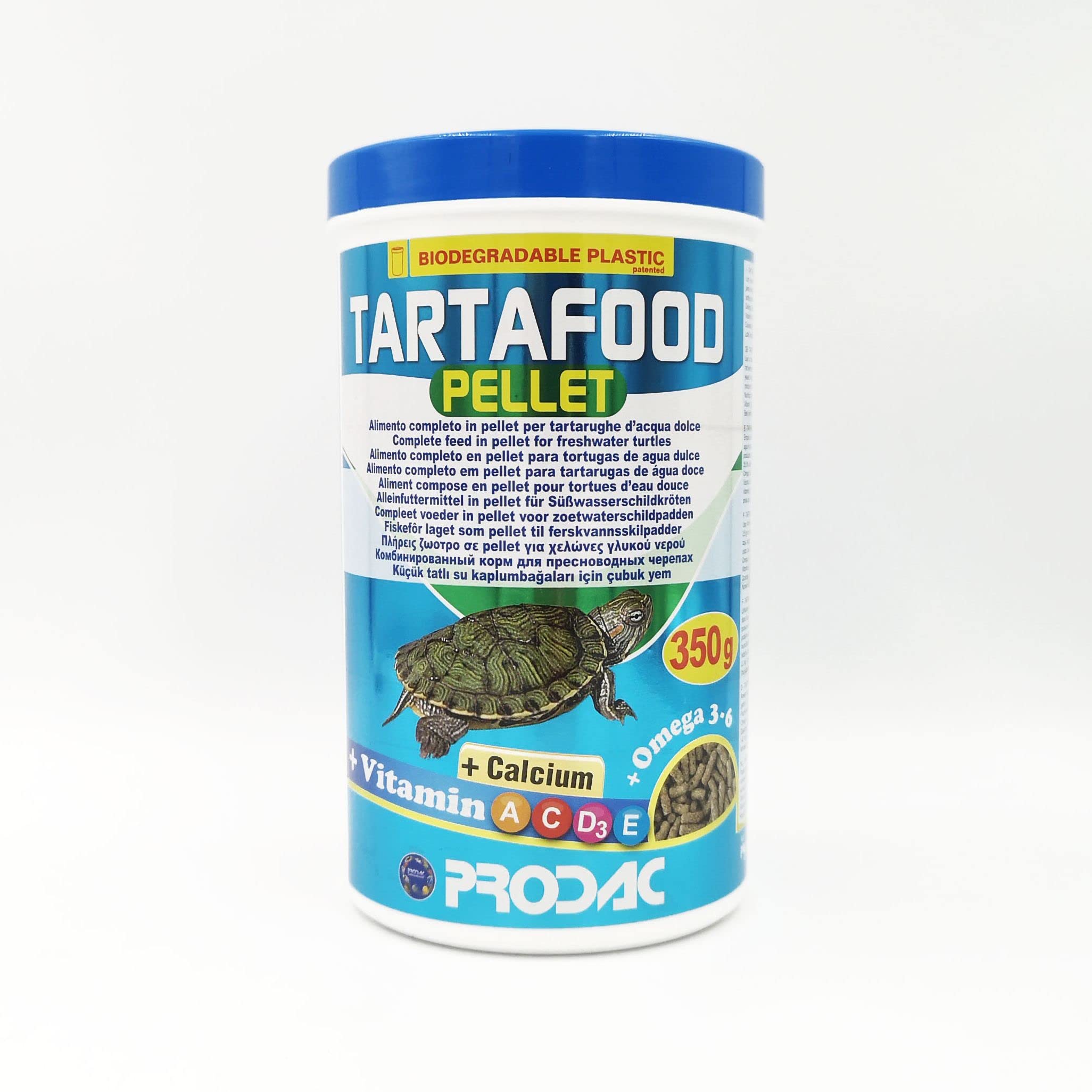
Pellet food for freshwater turtles, formulated to support the development of their shell and general well-being.
Characteristics
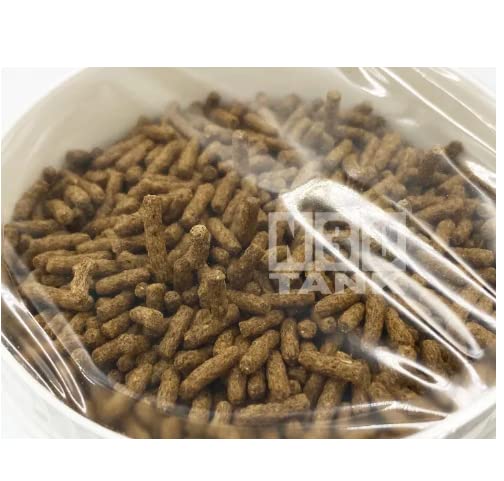
Tartafood Pellet Prodac Freshwater Turtles is a pellet food for freshwater turtles.
Calcium in the diet of turtles
Aquatic turtles and tortoises are characterized by a particular development of the spinal column and dermal bones, which has led to the formation of a protective shell. Due to their exceptional skeletal development, turtles and tortoises require significant amounts of Calcium in their diet, which must be adequately balanced with Phosphorus in a ratio of 4-6:1 for proper intestinal absorption. This is particularly essential for young, growing turtles and for females producing eggs.
The bioavailability of Calcium in food is a very important parameter, as not all forms of calcium are suitable for turtles and tortoises. Since Calcium is absorbed from the intestine only in the presence of adequate levels of vitamin D3, it is essential to ensure adequate levels of vitamin D3. It is important to offer animals sufficient exposure to UVA and UVB rays so they can synthesize the vitamin in their skin.
Vitamins in the Diet of Aquarium Fish and Turtles
Vitamin A. Also called Retinol, it is a fat-soluble vitamin, meaning it can be stored in the fatty tissues and liver of animals and released into the body when needed.
Vitamin A in fish promotes the proper renewal of epithelial tissue and the proper functioning of visual processes, as well as regulating body development and performing antioxidant activity. Signs of deficiency include exophthalmia (swollen and protruding eyes), depigmentation, and opaqueness. corneal ulcers, anorexia and edema, and impaired growth.
Vitamin C. L-Ascorbic Acid is a water-soluble vitamin, essential in fish (it cannot be synthesized in the body) and is not stored in body tissues: fish therefore require a constant supply of Vitamin C using Prodac feed. It is one of the most important vitamins: in fish, it has antioxidant and immunostimulant functions, but also promotes proper muscle development, wound healing, and bone growth.
Vitamin D3. Cholecalciferol, the correct name for Vitamin D3, is a vitamin that is essential for fish (it cannot be synthesized in the body). A fat-soluble prohormone that modulates intestinal calcium and phosphate absorption in animals, regulating their functions in the body. It also regulates the synthesis of parathyroid hormones. It is an essential vitamin, consumed by fish with Prodac feed and accumulated in the liver and fatty tissues. Vitamin D3 deficiency causes rickets, reduced muscle development, and bone deformations.
Fatty Acids in the Diet of Aquarium Fish and Turtles
Omega-3 fatty acids. Also called PUFA – 3, they are polyunsaturated fatty acids that are essential for fish and can be consumed through Prodac feed. Linolenic acid is particularly important for freshwater fish, while eicosapentaenoic acid and docosahexaenoic acid are particularly important for marine fish. Carnivorous fish have higher requirements than herbivorous fish due to metabolic differences. Omega-3 fatty acids are crucial for the stability of cell membranes, making them more fluid even at low body temperatures (fish are cold-blooded animals). They also have an anti-inflammatory effect and are used to a minimal extent to produce metabolic energy. They also promote the proper development of eggs, embryos, and fry. Signs of deficiency include abnormal coloration, fin erosion, liver damage, and abnormal body development.
Omega-6 fatty acids. They are polyunsaturated fatty acids of plant origin, essential for fish (they can only be obtained through diet). The most important for the fish organism are arachidonic acid and linoleic acid. Omega-6 fatty acids are involved in numerous metabolic pathways: activation of the inflammatory response, maintenance of the body's lipid films, cellular signaling, and enzyme activation. They promote the correct immune response in the event of infection. Signs of deficiency include: abnormal body development, vulnerability to infections, and impaired immune function. infections, epidermal changes.
Composition
Cereals, fish and fish by-products, vegetables, herbs, crustaceans, yeasts.
Additives
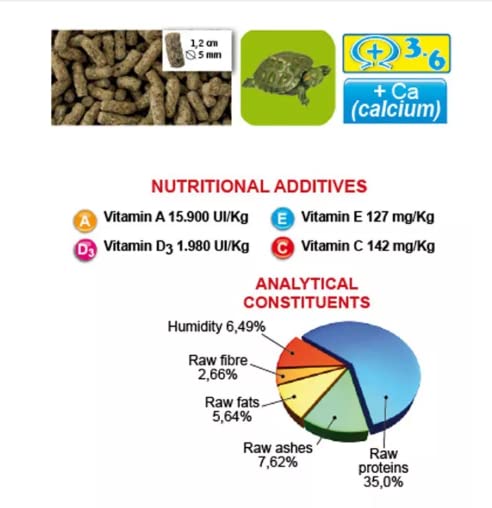
Nutritional additives
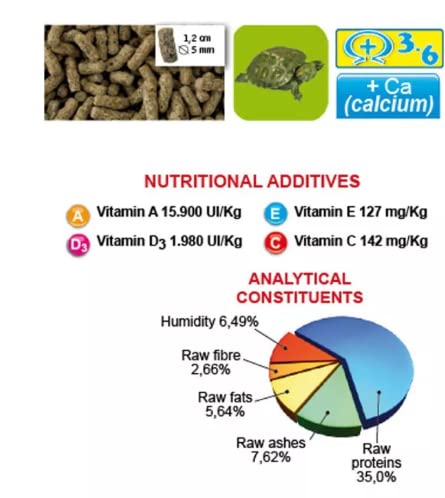
Vitamin A (3a672a) 15,900 IU/kg, Vitamin D3 (3a671) 1,980 IU/kg, Vitamin C (3a312) 142 mg/kg, Vitamin E (3a700) 127 mg/kg.
Analytical Constituents
Crude protein 35.00%, Crude ash 7.62%, Crude fat 5.64%, Crude fiber 2.66%, Moisture 6.49%, Omega 6 23.55%, Omega 3 6.05%, Calcium 1.8%.
Format
Packaging: 350g
Product Code:FRCM244836







 Richiedi info sul prodotto


