







- -16.31%

Recommended price

€13.31



 Richiedi info sul prodotto
Estimated delivery: 2-5 working days

Information on returns and shipments

Payment methods

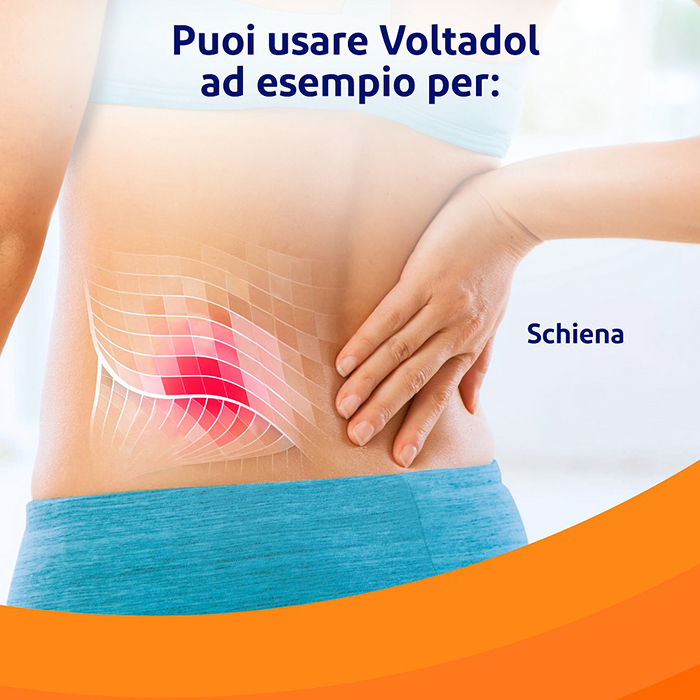
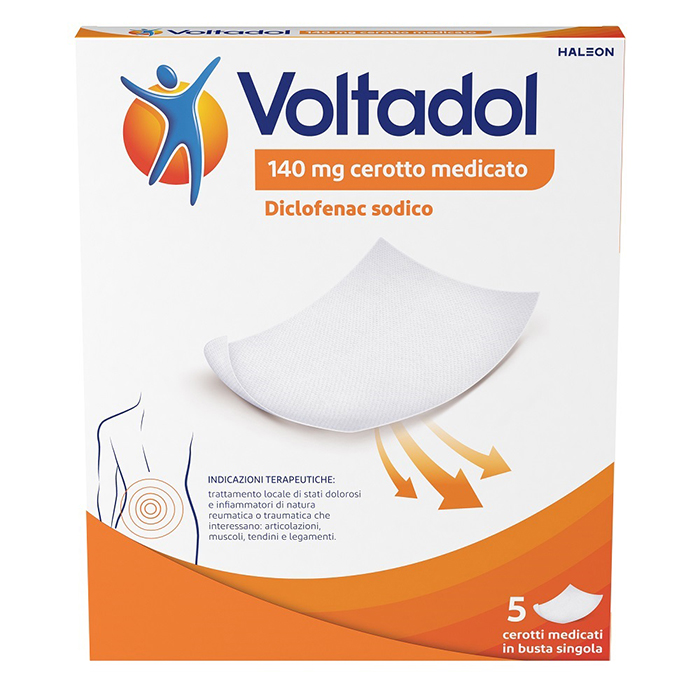
Voltadol Patches are used in the local treatment of painful and inflammatory conditions of a rheumatic or traumatic nature of the joints, muscles, tendons and ligaments.
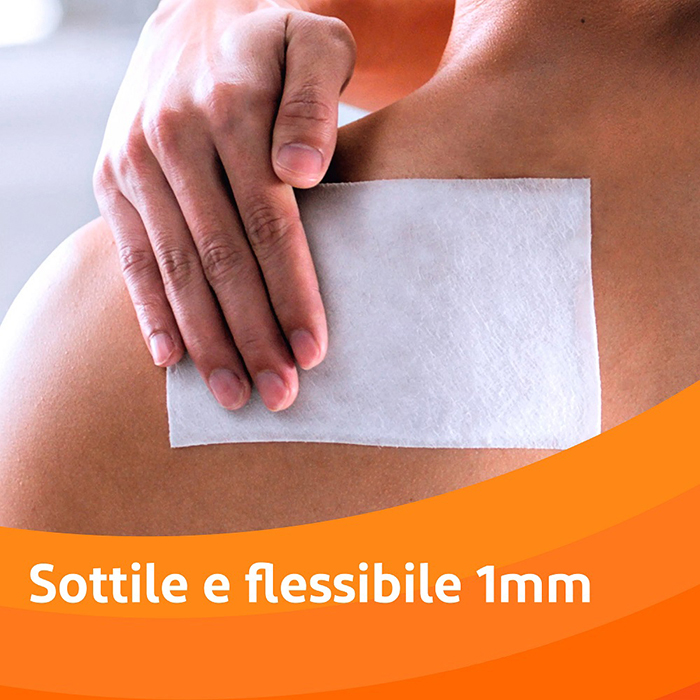
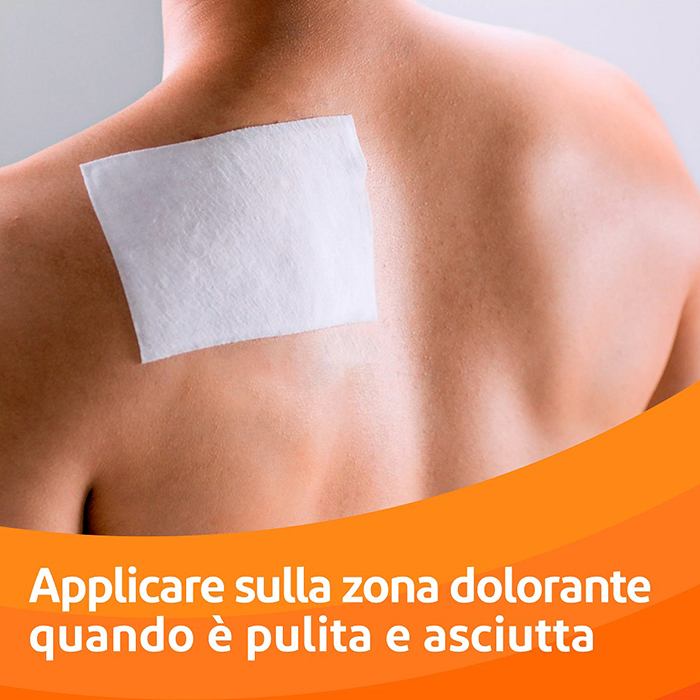
Voltadol Patches are used according to the following indications, unless otherwise prescribed by your doctor: the product must be applied only to intact, healthy skin and must not be applied while bathing or showering.
The diclofenac medicated patch must be used for the shortest possible time in relation to the indication for use.
Adults and adolescents aged 16 years and over: unless otherwise prescribed by your doctor, apply one patch twice a day, in the morning and in the evening, to the skin of the area to be treated, for a period not exceeding 7-10 days.
If no improvement is seen following the recommended treatment period, you should consult a doctor. In adolescents aged 16 years and over, if this product is required for a treatment period of more than 7 days for pain relief or if symptoms worsen, the patient or the adolescent's relatives are advised to consult a doctor.
The possibility of systemic adverse events with the application of topical diclofenac cannot be excluded. be excluded if the preparation is used on large areas of skin and for a prolonged period (see the summary of product characteristics for systemic forms of diclofenac).
Topical diclofenac should be applied only to intact, non-diseased skin and not to skin wounds or open lesions. It should not be allowed to come into contact with the eyes or mucous membranes and should not be ingested. Topical diclofenac can be used with non-occlusive dressings, but should not be used with an occlusive dressing that does not allow air to pass through.
Itamide should be used with caution in patients who have had a hypersensitivity reaction to NSAIDs or analgesics in the past, e.g. asthma attacks, skin rashes, acute allergic rhinitis, and anaphylactoid reactions. Patients with asthma, chronic obstructive bronchial disease, allergic rhinitis, or inflammation of the nasal mucosa (nasal polyps) react to treatment with NSAIDs more frequently than other patients with asthma attacks, local inflammation of the skin or mucosa (Quincke's edema), or urticaria.
Administration of Itami should be discontinued in women who have fertility problems or who are undergoing fertility investigations. The use of topical products, especially if prolonged, may give rise to sensitization phenomena. Discontinue treatment if a skin rash develops after application of the product and consult your doctor for appropriate therapy. After a short period of treatment without appreciable results, consult your doctor.
Although systemic absorption is minimal, the use of ITAMI, as with any drug inhibiting prostaglandin synthesis and cyclooxygenase, is not recommended in women intending to become pregnant. Keep the medicine out of the reach and sight of children.
Pregnancy
The systemic concentration of diclofenac, compared to oral formulations, is lower after topical administration. Based on experience with treatment with systemically administered NSAIDs, the following is recommended: Inhibition of prostaglandin synthesis may adversely affect pregnancy and/or embryo/fetal development. Results of epidemiological studies suggest an increased risk of miscarriage, cardiac malformation, and gastroschisis after use of a prostaglandin synthesis inhibitor in early pregnancy. The absolute risk of cardiac malformations increased from less than 1% to approximately 1.5%.
The risk is believed to increase with dose and duration of therapy. In animals, administration of prostaglandin synthesis inhibitors has been shown to
result in increased pre- and post-implantation loss and embryo-fetal mortality. Furthermore, an increased incidence of various malformations, including cardiovascular, has been reported in animals administered prostaglandin synthesis inhibitors during the organogenetic period. Diclofenac should not be administered during the first and second trimesters of pregnancy unless clearly necessary. If diclofenac is used by a woman attempting to conceive, or during the first and second trimester of pregnancy, the dose should be kept as low as possible and the duration of treatment as short as possible.
During the third trimester of pregnancy, all prostaglandin synthesis inhibitors may expose the fetus to:
The mother and the newborn, at the end of pregnancy, may be exposed to:
Consequently, diclofenac is contraindicated during the third trimester of pregnancy.
Breastfeeding
Like other NSAIDs, diclofenac passes into breast milk in small amounts. However, at therapeutic doses of Itaminon, effects on the infant are expected. Due to the lack of controlled studies in breastfeeding women, the product should be used during breastfeeding only under the advice of a healthcare professional. In this circumstance, Itaminon should be applied to the breasts of nursing mothers, nor elsewhere on large areas of skin or for a prolonged period of time.
Check the expiry date indicated on the package. The expiry date indicated on the package refers to the product in its intact packaging, stored correctly. Store in the original package in order to protect from moisture.
Warning: Do not use this medicine after the expiry date stated on the package.
Voltadol Patches contain:
Active ingredient: diclofenac sodium 140 mg
Excipients: Butyl methacrylate basic copolymer; acrylate-vinyl acetate copolymer; polyethylene glycol 12 stearate; sorbitan oleate; Non-woven fabric; Siliconized paper.
5 Medicated Plasters.
This product has been on sale since 25/09/2017
In the last 30 days, the product's lowest price was 11,82 €
Quando ho dolori articolari i miei cerotti preferiti
Quando le ginocchia si fanno sentire 1 cerotto e via il dolore
Abbastanza efficace per dolori non forti
A 78 anni grande alleato
Un buon prodotto che compriamo ormai da molto tempo, allevia i dolori.

Estimated delivery: 2-5 working days

Estimated delivery: 2-5 working days


Estimated delivery: 2-5 working days

