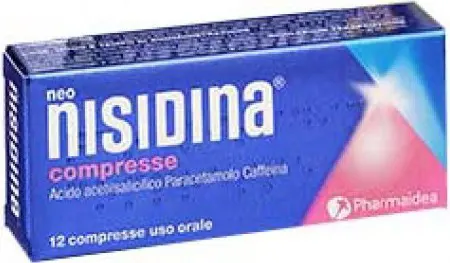
Tablets
Active ingredients
1 tablet contains: active ingredients: acetylsalicylic acid 250 mg, paracetamol 200 mg, caffeine 25 mg. For excipients, see section 6.1.
Excipients
Corn starch, lactose, stearic acid.
Therapeutic indications
Symptomatic treatment of headache, neuralgia, toothache, menstrual pain, joint pain, fever, and colds.
Contraindications
Hypersensitivity to the active substance or to any of the excipients. Paracetamol-based products are contraindicated in patients with manifest glucose-6-phosphate dehydrogenase deficiency and in those with severe haemolytic anaemia. Severe hepatocellular insufficiency. Neo-Nisidina should not be used in cases of active gastric or duodenal ulcer, in patients with a known tendency to haemorrhage (e.g. haemophilia), or in patients with hypersensitivity to salicylates, paracetamol, or other components of the product. Asthmatic patients. Dose > 100 mg/day of acetylsalicylic acid during the third trimester of pregnancy. The use of this medicine is contraindicated in children and adolescents under sixteen years of age. Due to the risk of Reye's syndrome, Neo-Nisidina should not be used in children and adolescents with chickenpox or influenza. Due to the presence of caffeine, do not administer to children and adolescents under sixteen years of age.
Dosage
Adults: 1 to 4 tablets daily. Take orally on a full stomach. Do not exceed the recommended dose; elderly patients, in particular, should adhere to the minimum doses indicated above.
Warnings and Precautions
This medicinal product should not be used in children and adolescents under sixteen years of age (see contraindications). Individuals over 70 years of age, especially those taking concomitant medications, should use this medicine only after consulting a doctor. After three days of use at the maximum dose or after 5-7 days of continuous use without results, consult a doctor. If pain or fever persists or worsens, if new symptoms appear, or if redness or swelling is present, consult a doctor as these may be signs of a worsening of the existing condition. Use with caution in patients with renal or hepatic impairment. During treatment with paracetamol, before taking any other medication, check that it does not contain the same active ingredient, as high doses of paracetamol can cause serious adverse reactions. Furthermore, consult your doctor before combining any other medication. See also "Interactions." Patients with glucose-6-phosphate dehydrogenase deficiency, chronic or recurrent gastric or intestinal disorders, impaired renal function, asthma, allergic rhinitis and nasal polyps, hypersensitivity to nonsteroidal anti-inflammatory drugs, liver dysfunction (e.g., due to chronic alcohol abuse, hepatitis), Gilbert's syndrome, or pregnant women should also consult their doctor. High or prolonged doses of the product can cause high-risk liver disease and serious kidney and blood disorders. In case of viral infections, such as influenza or chickenpox, consult a doctor before administering the product to children. If prolonged vomiting or profound drowsiness occurs during treatment, discontinue administration. Use of the product is not recommended if the patient is being treated with other anti-inflammatory drugs. In rare cases of allergic reactions, administration should be discontinued. This medicine contains lactose and is therefore not suitable for patients with lactase deficiency, galactosemia, or glucose-galactose malabsorption syndrome. Keep this medicine out of the reach and sight of children.
Interactions
The medicine may interact with anticoagulants, uricosurics, and hypoglycemic sulfonylureas. Preoperative use may hinder intraoperative hemostasis. Acetylsalicylic acid, one of the components of Neo-Nisidina, may enhance the effect of anticoagulants (e.g., coumarin and heparin derivatives). It may also increase the risk of gastrointestinal side effects when administered concomitantly with nonsteroidal anti-inflammatory drugs (NSAIDs) or corticosteroids. The effect of hypoglycemic agents and the toxicity of methotrexate may be increased by concomitant administration of acetylsalicylic acid. Neo-Nisidina may decrease the natriuretic effect of spironolactone and inhibit the effect of uricosuric agents (e.g., probenecid, sulfinpyrazone). Patients treated with rifampicin, cimetidine, or antiepileptic drugs such as glutethimide, phenobarbital, and carbamazepine should use paracetamol with extreme caution and only under close medical supervision. Paracetamol administration may interfere with the determination of uric acid levels (using the phosphotungstic acid method) and blood glucose levels (using the glucose oxidase-peroxidase method). Drugs that slow gastric emptying, such as propantheline, reduce the rate of paracetamol absorption and delay the onset of its effect. Drugs that accelerate gastric emptying, such as metoclopramide, increase the rate of absorption. Combining paracetamol with chloramphenicol may prolong the half-life of chloramphenicol, increasing the risk of toxicity. The clinical relevance of interactions between paracetamol and warfarin and coumarin derivatives has not been evaluated. Therefore, prolonged use of paracetamol in patients treated with oral anticoagulants is recommended only under medical supervision. Concomitant use of paracetamol and AZT (zidovudine) increases the risk of neutropenia induced by the latter. Therefore, Neo-Nisidine should be taken with AZT only under medical supervision. Caffeine can antagonize the sedative effect of various drugs (e.g., barbiturates, antihistamines). It can also increase the tachycardic effect of other drugs (e.g., sympathomimetics, thyroxine). Oral contraceptives, cimetidine, and disulfiram slow the metabolism of caffeine in the liver, while barbiturates and smoking increase it. Caffeine reduces the excretion of theophylline. Concomitant administration of analgesics does not increase the risk of developing dependence. Administration of quinolone antibiotics may delay the elimination of caffeine.
Undesirable effects
See also section 4.9. Acetylsalicylic acid can cause epigastric discomfort, nausea, vomiting, peptic ulcers, and erosive gastritis, which can lead to severe gastrointestinal bleeding. These effects are more likely related to high doses, although they can also occur at low doses. When using products containing acetylsalicylic acid for prolonged periods, iron deficiency anemia may occur due to recurrent bleeding in the digestive tract. The presence of acetylsalicylic acid may also cause otovestibular disturbances (tinnitus, etc.), dizziness, hemorrhagic phenomena (epistaxis, bleeding gums, etc.), prolonged pregnancy and labor, and a reduction in platelet count. Occasionally, allergic reactions (bronchoconstriction, skin reactions) may occur. Skin reactions of varying types and severity have been reported with the use of paracetamol, including rare cases of allergic skin rashes and cases of erythema multiforme, Stevens-Johnson syndrome, and epidermal necrolysis. Hypersensitivity reactions such as angioedema, laryngeal edema, and anaphylactic shock have been reported. The following adverse reactions have also been reported: thrombocytopenia, leukopenia, anemia, agranulocytosis, pancytopenia, liver function abnormalities and hepatitis, renal disorders (acute renal failure, interstitial nephritis, hematuria, anuria), gastrointestinal reactions, and dizziness. In cases of overdose, the presence of paracetamol can cause hepatic cytolysis, which can progress to massive and irreversible necrosis. Caffeine is a CNS stimulant and can cause agitation, insomnia, tremors, dyspeptic symptoms, and tachycardia. Due to the presence of caffeine, overdose may result in hyperstimulation syndrome with excitation, insomnia, ringing in the ears, muscle tremors, nausea, vomiting, increased diuresis, tachycardia, extrasystoles, and scotoma.
Pregnancy and breastfeeding
Pregnancy: Low-dose aspirin (up to 100 mg/day): Clinical studies indicate that doses up to 100 mg/day can be considered safe for obstetric use only, which requires specialist monitoring. Doses of 100-500 mg/day of aspirin: There are insufficient clinical data regarding the use of doses above 100 mg/day up to 500 mg/day. Therefore, the recommendations below for doses of 500 mg/day and above also apply to this dosage range. Doses of 500 mg/day and above of acetylsalicylic acid: Inhibition of prostaglandin synthesis may adversely affect pregnancy and/or embryo/fetal development. Results of epidemiological studies suggest an increased risk of miscarriage, cardiac malformation, and gastroschisis after use of a prostaglandin synthesis inhibitor in early pregnancy. The absolute risk of cardiac malformations increased from less than 1% to approximately 1.5%. The risk has been estimated to increase with dose and duration of therapy. In animals, administration of prostaglandin synthesis inhibitors has been shown to result in increased pre- and post-implantation loss and embryo-fetal mortality. Furthermore, an increased incidence of various malformations, including cardiovascular, has been reported in animals administered prostaglandin synthesis inhibitors during the organogenetic period. During the first and second trimesters of pregnancy, acetylsalicylic acid should not be administered unless clearly necessary. If acetylsalicylic acid is used by a woman attempting to conceive, or during the first and second trimesters of pregnancy, the dose and duration of treatment should be kept as low as possible. During the third trimester of pregnancy, all prostaglandin synthesis inhibitors may expose the fetus to: cardiopulmonary toxicity (with premature closure of the ductus arteriosus and pulmonary hypertension); renal dysfunction, which may progress to renal failure with oligo-hydroamniosis; the mother and newborn, at the end of pregnancy, to: possible prolongation of bleeding time, and an antiplatelet effect that may occur even at very low doses; inhibition of uterine contractions resulting in delayed or prolonged labor. Consequently, acetylsalicylic acid at doses >100 mg/day is contraindicated during the third trimester of pregnancy. Prolonged intake of high amounts of caffeine can lead to miscarriage or premature birth. Breastfeeding: Paracetamol and salicylates are excreted in breast milk. Caffeine is also excreted in breast milk and can affect the infant's condition and behavior. If regular therapy with higher doses of acetylsalicylic acid is necessary during breastfeeding, weaning should be considered.
Product Code:FRCM046334




 Richiedi info sul prodotto