Composition:
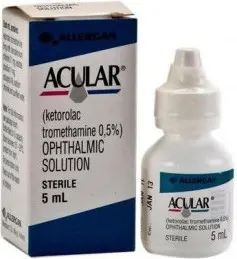
Ketorolac trometamol 5 mg/mL Excipients: benzalkonium chloride 0.1 mg/mL For the full list of excipients, see section 6.1
Excipients
Sodium chloride Benzalkonium chloride Disodium edetate Octoxinol 40 Sodium hydroxide or hydrochloric acid (diluted) to adjust pH to 7.3-7.5 Purified water
Therapeutic indications
For the prophylaxis and reduction of inflammation following cataract surgery. ACULAR is indicated in adult patients.
Contraindications
Hypersensitivity to the active substance or to any of the excipients. Cross-hypersensitivity to acetylsalicylic acid and other nonsteroidal anti-inflammatory drugs is possible. ACULAR is contraindicated in patients who have shown signs of hypersensitivity to these drugs in the past.
Dosage
Dosage: Post-operative inflammation: Instill one drop of eye drops into the affected eye 3 times daily starting 24 hours before surgery and continuing for three to four weeks. Paediatric population There is no relevant use of ACULAR in the paediatric population for the indication: prophylaxis and reduction of post-operative inflammation associated with cataract surgery. Method of administration: Ocular use. Instill one drop of solution into the lower conjunctival sac of the affected eye while gently lowering the lower eyelid and looking upward.
Warnings and Precautions
ACULAR should be used with caution in patients with a known tendency to bleed or who are being treated with other drugs that may prolong bleeding time. Like other anti-inflammatory drugs, ACULAR may mask the usual signs of infection. All nonsteroidal anti-inflammatory drugs (NSAIDs) can slow or delay wound healing. The concomitant use of NSAIDs and topical steroids may increase the possibility of wound healing problems. The concomitant administration of ACULAR and topical corticosteroids should be used with caution in patients predisposed to corneal epithelial breakdown. The use of topical NSAIDs may cause keratitis. In some patients, prolonged use of topical NSAIDs may cause corneal epithelial breakdown, thinning, erosion, ulceration, or perforation. These events may impair vision. Patients who develop evidence of corneal epithelial breakdown should immediately discontinue use of topical NSAIDs, and corneal health should be carefully monitored. Topical NSAIDs should be used with caution in patients undergoing complicated ocular surgery, with corneal denervation, corneal epithelial defects, diabetes mellitus, ocular surface disease (e.g., dry eye syndrome), rheumatoid arthritis, or who have undergone multiple ocular surgeries within a short period of time, as this may increase the risk of corneal adverse events that may impair vision. Post-marketing experience with topical NSAIDs also indicates that use more than 24 hours before surgery or more than 14 days after surgery may increase the risk of developing and increasing the severity of corneal adverse events. The preservative in ACULAR, benzalkonium chloride, may cause eye irritation. Remove contact lenses before application and wait at least 15 minutes before reinserting them. Benzalkonium chloride is known to discolor soft contact lenses. Avoid contact with soft contact lenses. There have been post-marketing reports of bronchospasm or asthma exacerbation in patients with known hypersensitivity to aspirin/nonsteroidal anti-inflammatory drugs or a prior medical history of asthma associated with the use of ACULAR, which could contribute to these events. Caution is advised when using ACULAR in these subjects (see section 4.8).
Interactions
No interaction studies have been performed. ACULAR has been safely administered concomitantly with systemic and ophthalmic drugs such as antibiotics, sedatives, beta-blockers, carbonic anhydrase inhibitors, miotics, mydriatics, local anaesthetics, and cycloplegics. ACULAR may slow or delay healing. Topical corticosteroids are known to slow or delay the healing process. The concomitant use of NSAIDs and topical corticosteroids may increase healing problems (see section 4.4). If ACULAR is used concomitantly with other topical ocular medications, there should be an interval of at least 5 minutes between the administration of the two medications.
Undesirable effects
The most frequent adverse events reported with the use of ACULAR are transient stinging and burning upon instillation. The frequency of adverse reactions documented during clinical trials is listed below and defined as follows: very common (
Product Code:FRCM046211




 Richiedi info sul prodotto